
Window Tint Removal and Replacement
Get a Window Tint Removal Assessment in Miami, FL
If your tint is peeling, bubbling or discolored, we’ll remove the old film and clean the glass. You can leave the windows clear or have a new tint fitted. Before starting, we check the film, glass and any rear-window defroster lines.
To get started, send us your vehicle details and a few photos. Let us know which windows need attention and whether you’d like a replacement tint, and we’ll arrange an assessment.
(305) 308-7604Is Your Old Window Tint Ready for Replacement?
Peeling edges, persistent bubbles, purple discoloration or haze are reasons to have your tint assessed. Tint that’s still in good condition may also need replacing if it makes driving uncomfortable or doesn’t meet Florida’s tint requirements.
You don’t need to know the film’s brand or what caused the problem. We’ll check its condition and explain what needs to be done. Here’s what we look for:
Request an Assessment| What You Notice | What Needs Checking | Likely Work |
|---|---|---|
| Peeling or lifting edges | How much film has separated and what’s left on the glass | Remove the affected film and remaining adhesive before replacement |
| Purple or faded tint | Which windows have changed color and whether the others still match | Replace the affected film, considering how it will look beside the remaining tint |
| Bubbles, haze or separating layers | The extent of the problem and the condition of the glass underneath | Remove the old layers and prepare the glass for fresh film |
| Torn film or sticky residue | What remains after an earlier removal attempt, especially around defroster lines | Remove the remaining film and glue, then assess the bare glass |
| A shade you want to change | Your visibility needs, existing glass and legal shade options | Remove the current film before fitting the agreed replacement |
Could a Warranty Cover Your Failed Tint?
Possibly. Coverage depends on the original product, installation records and warranty terms. Peeling or bubbling alone doesn’t establish eligibility. If you have a receipt or warranty record, contact the original installer or manufacturer before arranging removal; a claim may need approval before work begins.
A used car’s existing tint isn’t automatically covered for its new owner. Keep any records you received with the vehicle so the original film and installation can be identified.

Rear Window Tint Removal and Defroster Lines
Old tint can be removed from rear glass, but the defroster grid needs attention before work starts. Those thin heating lines sit on the inside surface of the glass, beneath the film. Some vehicles also have antenna lines in this area.
Brittle film may come away in small pieces and leave adhesive across the grid. Existing damage, previous scraping and sections that no longer heat all matter when assessing removal. Taking off the tint won’t repair a broken defroster line.
Tell us if the rear window clears unevenly, the radio reception has changed or someone has already tried to strip the film. We can assess the remaining material and explain the limits before planning the work.
We document the defroster and antenna condition before removal and discuss the risks and options with you. If the defroster lines are already damaged, we cannot give an absolute guarantee that removal will preserve them.
Should You Start Removing the Tint Yourself?
Leave it in place for the assessment. Pulling off part of the film can leave torn layers and glue around the defroster lines, making the remaining work harder. If you’ve already started, send photos of its current condition rather than trying to finish it first.
Tint Removal for Your Vehicle’s Glass
Your vehicle’s window layout affects how we reach the film and how much glass needs cleaning. Include all the windows you want stripped or retinted, even if only one has visible damage.

Sedans and Coupes
Sloping rear glass can leave limited working room near the rear deck and brake light. Frameless door windows also need attention along the top edge, where the glass meets its seal.

SUVs, Hatchbacks and Minivans
Large rear windows and small fixed quarter windows add to the glass involved. Factory-darkened rear glass is different from applied tint: removing film won’t remove color built into the glass.

Pickup Trucks
A sliding rear window has several panels, edges and seals to work around. Include a photo showing the full rear window so its layout and any heater lines are visible.

Tesla Models
If you’re replacing tint on a Tesla Model 3, Y, S or X, identify rear-window and roof film separately. The glass layout varies by model, and roof-film removal needs its own assessment rather than being assumed part of a side-window job.
Removal Only or Replacement With New Tint?
Tell us what you want on the glass afterward. That keeps the removal work separate from the choice of new film and helps us prepare the right quote.
Leaving the Glass Clear
If you want the old tint removed without adding new film, include that in your request. The work needs to account for both the film and any adhesive left behind. This is especially relevant if another removal attempt has already left sticky patches.
Replacing Old Tint With Ceramic Film
Once the old film and adhesive are cleared, we can fit XPEL PRIME XR or PRIME XR Plus nano-ceramic tint to the agreed windows. These replacement films provide heat control alongside a fresh appearance. The shade can also address visibility or privacy concerns with the previous installation.
Mention removal and replacement together when booking so the appointment can be planned around both stages. The windows included, film choice and preparation should be clear in the quote.
Can New Tint Go Over Old Tint?
For replacement, the old film comes off first. A second layer won’t correct peeling, trapped dirt, haze or failing adhesive underneath. It also makes the finished glass darker, which affects visibility and the legal light-transmission reading.
What Happens During Tint Removal and Replacement?
The work follows the condition of your existing installation. Some film lifts cleanly; older, separating film can take more time to remove and clean up.

Scratches or other defects may be hidden beneath the old tint. Removal can reveal them, but new film doesn’t repair the glass. Mention any known damage when you request the work.
Caring for Fresh Replacement Tint
For CWD tint installation, keep movable windows closed for at least seven days before lowering them. XPEL’s general PRIME manufacturer guidance gives an approximate climate-dependent wait of 1–5 days before lowering or cleaning windows; CWD uses the longer seven-day window-use instruction. Follow the separate cleaning instructions supplied at pickup. Temporary haze or moisture bubbles may remain for up to ten days as installation moisture dries.
Once cleaning is allowed, use a soft microfiber towel dampened with water or a mild ammonia-free glass cleaner. Avoid abrasive pads, and leave drying bubbles alone rather than pressing or picking at them.

What Affects Window Tint Removal and Replacement Cost?
The price depends on the work needed to remove the existing installation, plus any new film you choose. Photos help show the scope, but they can’t reveal every adhesive or glass issue.
Old Film and Adhesive Removal
Window count: One door window involves less glass than a full vehicle, including small fixed panels.
Film condition: Brittle or separating layers can take longer to clear.
Remaining adhesive: Glue cleanup is part of preparing the glass, even after the visible film is gone.
Rear-window features: Defroster and antenna lines need consideration.
Access: Steep rear glass, sliding panels and tight trim areas affect the work.
New Film and Coverage
The cost of the new tint depends on the film selected and the windows being retinted. Your old-film removal needs to be accounted for separately. A full-car replacement and one-window repair involve different scopes.

Choosing Your Replacement Tint and Shade
Start with what you want to change about the old installation: its appearance, heat performance, darkness or all three. You don’t have to repeat the previous shade simply because it came with the car.
Heat Control and Everyday Visibility
If the cabin still felt hot, compare the new film’s heat-rejection ratings as well as its shade. A darker appearance alone doesn’t tell you how much solar heat a film rejects.
If the old tint made mirrors, reversing or night driving difficult, choosing a lighter shade may suit you better. Think about how you use the car as well as how it looks from outside.
Factory Glass and Florida Tint Requirements
The replacement has to meet Florida’s tint requirements for your windows and vehicle type. Light transmission is measured through the glass and film together. Factory privacy glass already affects that reading, so the percentage on a film sample isn’t the final reading on your car. For a sedan, the minimum is 28% VLT on the front side windows and 15% VLT on the rear side windows and rear window. Rear-window limits differ for other vehicle classes, so we check the applicable requirements before selecting the film.
Can One Window Be Replaced to Match the Others?
Sometimes. A close match depends on the existing film’s brand, shade, finish and age. Fresh film can look different beside faded tint, even when the original shade is known. Send a wider photo showing the neighboring windows if matching is your priority.
CERTIFIED WINDOW TINT SHOP IN MIAMI, FL
- 12 years tinting in South Florida — luxury cars, EVs, exotics, and daily drivers, all installed by hand in a controlled shop environment
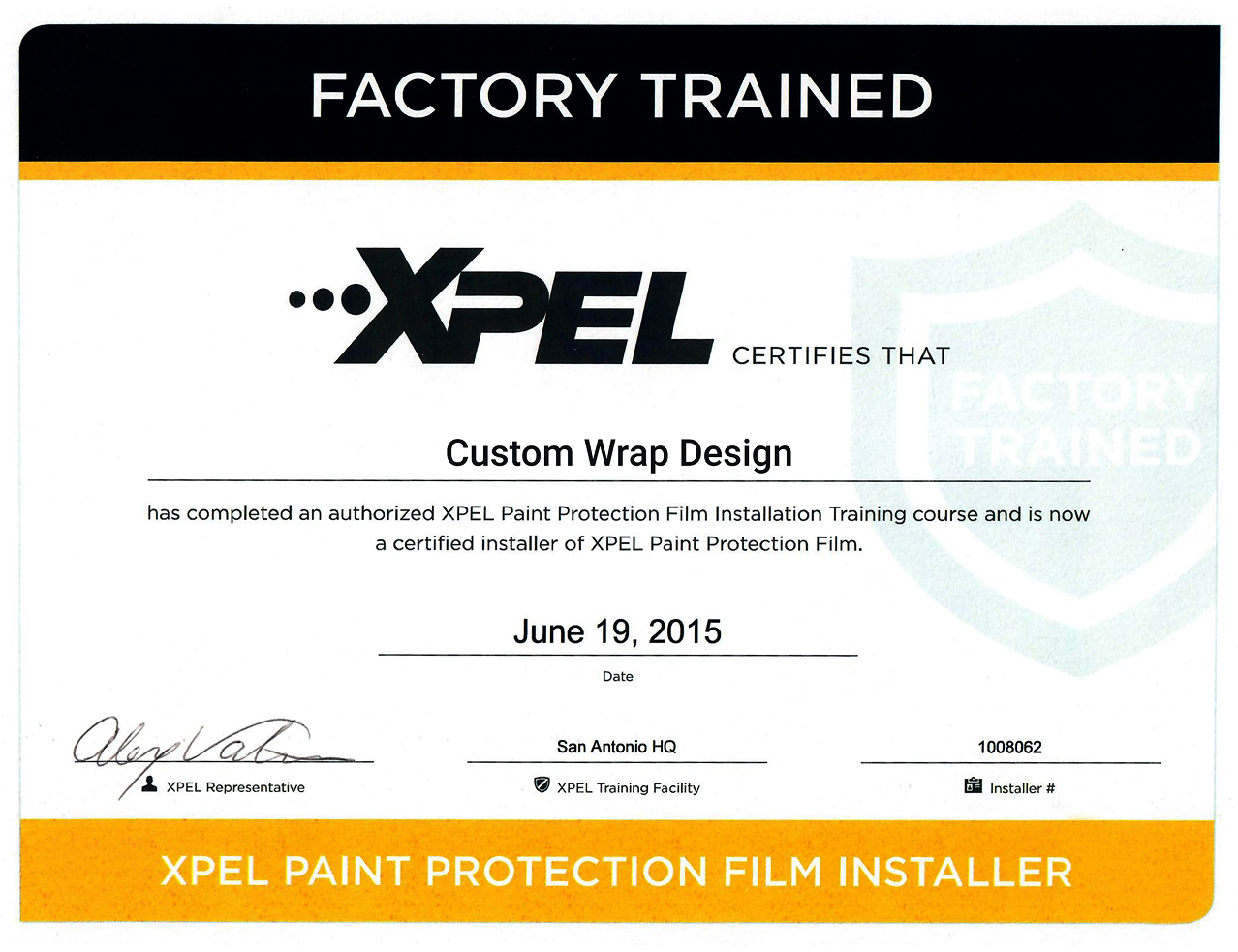
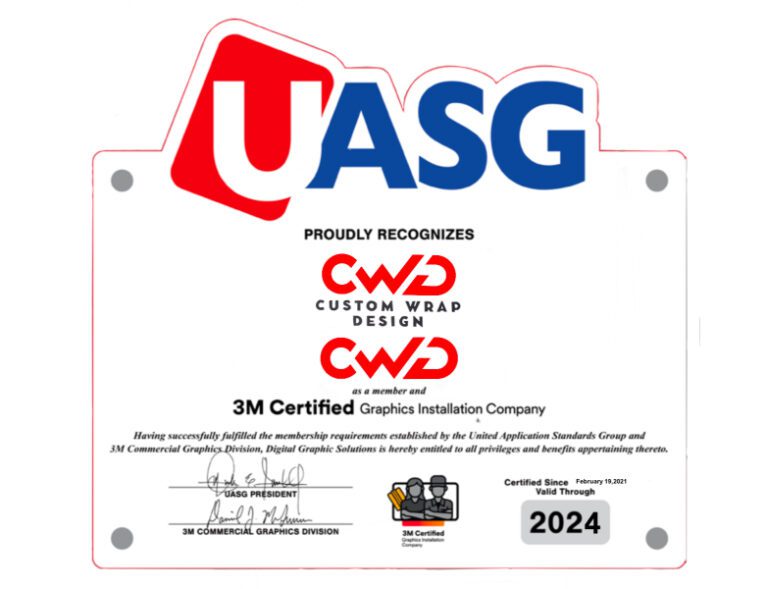
- Authorized XPEL, Inozetek, and UASG installer — premium nano-ceramic and carbon film with lifetime manufacturer warranty
- Florida-compliant shade recommendations — we walk you through legal options before any film goes on the glass
- Lifetime warranty against bubbling, peeling, cracking, and color fade — built for the Florida climate that destroys cheap film


Frequently Asked Questions
It depends on your leasing company’s return requirements. Tesla requires aftermarket tint removal for vehicles returned through Tesla Lease Trust. Check your own lease terms before booking, and arrange any required removal ahead of the return inspection.
Paying the fine doesn’t make noncompliant tint legal, and keeping it can lead to another citation. Removing the film also doesn’t automatically dismiss the existing ticket. Follow the instructions and deadline on your citation, and keep the removal invoice if you need to document the work.
Yes. If a window needs replacement, complete that work first so you don’t pay to tint glass that will soon be removed. Replacement glass may have a factory shade, but aftermarket film requires a separate installation. Follow the glass installer’s timing instructions before retinting.
If your SunPass Mini must be peeled off to remove the film, plan to replace it. SunPass states that the Mini no longer functions once removed. Portable SunPass PRO units are reusable. Mention which type you have and whether it’s attached over the film when arranging the work.
OUR REVIEWS & PROJECTS
Request a Tint Removal Assessment in Miami
Include these details with your enquiry:
- Your vehicle’s year, make and model.
- Which windows have old film, including rear, quarter and roof glass.
- A full view of each affected window and close-ups of peeling, bubbles or residue.
- The film’s approximate age, if known.
- Any previous removal attempt or known defroster problem.
- Whether you want replacement tint and any shade preference.
When you send your photos and vehicle details, mention any pickup deadline so the work can be planned before you bring the car in. You can also call (305) 308-7604 to discuss tint removal and replacement.
COME
VISIT US
1962 NE 151st Street, North Miami, FL 33162