
Precut vs Bulk PPF and What Changes at the Edges
Request a Panel and Edge Review near Miami, FL
If you’re comparing precut vs. bulk PPF, you’re probably trying to work out which will look better on your car. Both can give you a clean finish, including wrapped edges where the panel allows. The difference is how the film is shaped: precut film follows a vehicle-specific pattern, while bulk film is fitted and trimmed from a larger sheet.
What matters to you is the finished result. Where will the film stop? Which edges will be hidden? Will there be a visible line around a badge or across a bumper?
Those details are worth settling before you book. Two quotes can both include a “full hood” while offering different treatment around its edges.
(305) 308-7604What’s The Difference Between Precut And Bulk PPF?
The names describe how the installer cuts the film. They don’t tell you everything about the coverage, the appearance, or the care that goes into fitting it.
Request an Edge Review
Precut PPF Starts With A Pattern For Your Vehicle
With precut PPF, the installer selects a digital pattern for your vehicle and sends it to a plotter. The machine cuts the film into the required shape before it reaches your car, including openings around features such as badges, vents, and sensors.
That doesn’t mean the installer has to use every pattern exactly as supplied. Suitable patterns can be adjusted to change the coverage or leave extra material for wrapping edges. XPEL’s pattern tools, for example, allow changes to both the outline and the amount of coverage.
So if you prefer hidden edges, a precut installation may still give you that finish. The useful question is whether the proposed pattern includes the edge treatment you want.

Bulk PPF Is Shaped During Fitting
Bulk installation starts with a sheet larger than the panel. The installer positions the film, works it around the shape, and trims the excess to create the finished outline.
This gives more freedom where a standard pattern doesn’t suit the bodywork, particularly around modified parts or unusual shapes. The installer can decide where the film ends as the piece is fitted.
Because trimming is part of that process, it’s reasonable to ask how the underlying finish will be protected. A clear explanation of the technique is more useful than simply being told the work is “custom.”
An installation can also combine both methods. There may be a good reason to use an adjusted pattern on the hood and bulk film on an aftermarket splitter.

Does Precut PPF Wrap Edges?
Yes, precut PPF can wrap edges when the pattern includes enough extra film and there is room to secure it behind the panel. Bulk film needs that same access and a suitable surface to adhere to.
A wrapped edge carries the film around the panel’s outer lip, moving the film line away from the visible face. If you want the protection to be less noticeable, this is one of the details to discuss.
It isn’t a promise that every edge will disappear, though. The shape of your car still sets limits, whichever cutting method is used.
Which Edges Can Usually Be Considered?
Accessible edges around a hood, door, or fender may allow the film to continue around the lip. The installer needs enough room to work, enough material to reach behind the edge, and a surface that will hold it properly.
Rather than relying on a general “wrapped edges” description, have the installer point out the edges included on your car. A close-up of a similar panel can help you see what the finished result is likely to look like.
Why Would An Edge Be Left Visible?
Trim may sit too tightly against the panel. A vent may interrupt the surface. A sharp corner may need a small opening or a separate piece of film.
In those areas, leaving a planned boundary may be more practical than trying to push extra film into a space that won’t support it well. You should know where those boundaries will be before the work begins, especially if they are in places you’ll see every time you approach the car.
3M Certified Installation in Miami, FL
- 3M certified – Materials and methods that meet manufacturer standards
- Built for Florida – Rated for heat, salt air, and UV exposure
- Warranty-backed – Proper installation protects your coverage




Compare The Finish On The Same Panel
When one quote specifies bulk PPF and another specifies precut film, bring the comparison back to the same parts of your car.
For example, do both include the entire hood? Do both wrap its leading edge? How will each handle the badge and rear corners? Once those details are clear, the difference in the proposals becomes easier to understand.
| Detail To Compare | Precut Or Adjusted Pattern | Bulk Or Custom Fit | What You Need To Know |
|---|---|---|---|
| Where the film stops | Follows the selected pattern and any changes | Decided during fitting and trimming | Where will the boundary sit on each panel? |
| Wrapped edges | Possible with suitable extra material and access | Possible with sufficient material and access | Which edges are included? |
| Modified bodywork | May need pattern changes or a custom template | Can be shaped around nonstandard parts | Will the film fit the parts actually on your car? |
| Trim and badges | May use openings or extend behind components | May fit around components or extend behind them | What needs to come off? |
| Seams and separate pieces | Follow the pattern unless adjusted | Depend on how the installer lays out the film | Where will you see a joint? |
| Trimming | Most shaping happens before application; adjustments may still be needed | Final shaping includes trimming during fitting | How will the underlying finish be protected? |
The labels alone don’t establish which installation will cost less, last longer, or look cleaner. You need to compare the film, preparation, coverage, and finishing work included in each quote.
What Will PPF Edges And Seams Look Like Up Close?
You may still be able to see a film boundary when you look closely, even on a carefully fitted installation. Whether that boundary is expected depends on the coverage you agreed to.
It helps to separate a few details that often get described as “seams”:
A visible edge is where a piece of film ends on the surface.
A wrapped edge continues around the panel lip, putting the film boundary behind the visible face.
A seam or joint is where two pieces of film meet or overlap.
A relief cut helps the film fit around a difficult shape.

Complex panels may need a seam or relief cut. XPEL’s pattern documentation describes placing necessary seams along body lines or in less visible areas where possible.
There is a difference between a planned film line and an edge pulling away from the paint. A crease or trapped contamination also deserves a separate assessment. If something looks wrong after collection, send the installer clear photos before trying to press, trim, or lift the film yourself.
Your choice of full or partial PPF coverage affects the appearance. If you choose to cover only part of a hood, there will be a boundary across that panel. Wrapping its outer edges won’t remove the line where the partial coverage ends.
Will Trim Need To Come Off For Wrapped Edges?
Sometimes removing a badge, handle, or trim piece gives the installer access to carry the film behind it. Other edges can be finished with the surrounding components in place.
The decision should have a clear purpose. If a part is being removed, you should understand what that changes about the coverage or appearance. Will it hide a film line? Allow a larger piece to fit? Give access to an otherwise blocked edge?
More disassembly doesn’t automatically mean a better installation. Each part has to be handled and refitted, so the amount of removal should suit the vehicle and the finish you want.
Mention any loose trim, damaged clips, or previous repairs during the assessment. Those details may affect how the installer approaches the work.

How Your Car Influences The Choice
You don’t need to choose a cutting method based only on the badge on your hood. The exact panels, trim, and modifications on your car are more useful starting points.

Factory Panels With A Matching Pattern
A vehicle-specific pattern can provide a good starting point for standard bodywork. The installer still needs to check the model year, bumper version, sensors, and trim against the actual car.
Where the pattern suits the panel, adjusting it may provide the edge coverage you want. There may be no need to switch the entire panel to bulk film just to wrap an accessible edge.
Deep Vents And Complex Aero
Splitters, recessed vents, narrow sections and sharp changes in shape need careful fitting. The installer may adjust a precut pattern, use bulk film or cover the area with separate pieces.
On this Lamborghini Revuelto, the coverage plan had to work around deep vents and sharp body lines. The exposed carbon fiber also needed an approach suited to its finish. When comparing quotes, look at which sections will be covered, where the film will end and whether joins will be visible.
Aftermarket Bumpers And Body Kits
If your car has a widebody kit, aftermarket bumper, or custom splitter, a factory pattern may no longer fit. The installer may need to adjust a pattern, make a custom template, or work from bulk film.
Include photos of those parts with your enquiry. Two cars with the same make, model, and year can need different approaches once the bodywork has changed.

Preparation Matters Just As Much Around The Edges
It’s easy to focus on how far the film wraps and overlook what it is sticking to. The visible panel and the surfaces behind its edges both need suitable preparation.
Manufacturer instructions address cleaning and removing residues before installation. XPEL’s edge-preparation instructions also specify that the surface must be clean and dry.
When discussing preparation before PPF, mention previous film, repainting, ceramic coatings, waxes, or sealants. These can affect the preparation needed.
Paint correction is a separate decision based on the existing finish and what you want the paint to look like beneath the film. Choosing precut or bulk PPF doesn’t, by itself, tell you whether correction is necessary.
What Should A PPF Quote Say About The Edges?
A useful quote lets you picture what you’re buying. Terms such as “premium,” “custom,” or “full coverage” need enough detail behind them to explain the finished work.
Before booking, look for:
- The panels included, distinguishing full panels from partial sections.
- Where the film stops, particularly on visible surfaces.
- Which edges will be wrapped, with any exceptions identified.
- Planned seams or openings, including separate pieces around complex shapes.
- Parts being removed, such as badges, handles, or trim.
- Preparation included, along with any existing finish concerns.
- The film being installed, including its manufacturer, product, and finish.
- Handoff and support, including care instructions, inspection arrangements, and written warranty terms.

If a description is hard to picture, a marked photo can make it clearer. On a hood, for example, the installer can show the leading edge, the area around the badge, and any corners that will remain open.
Those details affect the work included in a PPF quote. A price difference may reflect additional edge work or access requirements, rather than the cutting method alone.
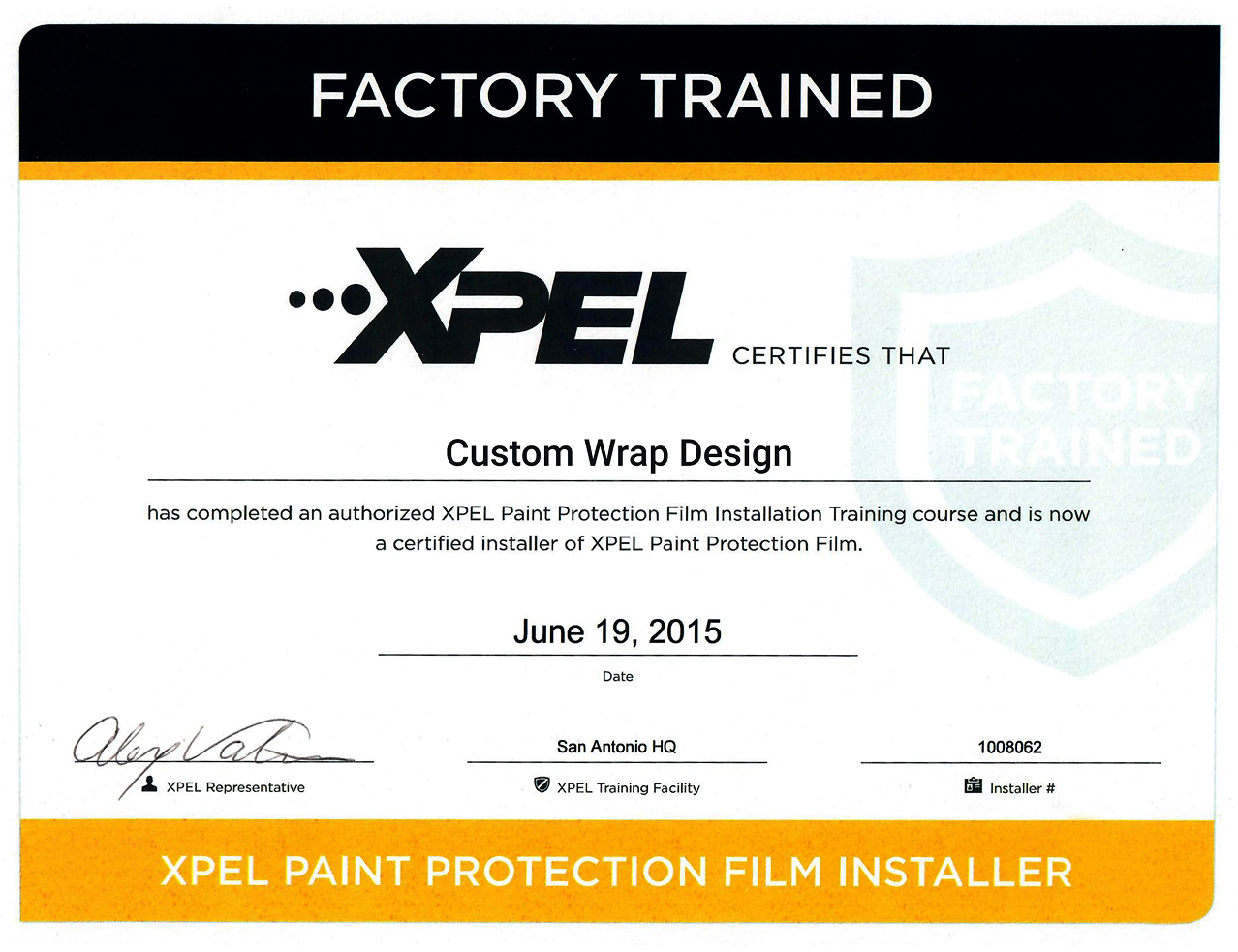
Credentials provide useful background as well. XPEL installer certification is relevant, while choosing a wrap or PPF shop also means looking at finished examples and understanding what the shop commits to in writing.
A Few More Questions Before You Book
Is Bulk PPF Better Than Precut?
It can be a better fit for some panels, particularly unusual or modified bodywork. An adjusted precut pattern may give you the same edge coverage on others.
Choose based on how the proposed approach suits your car and your expectations. If hidden edges matter to you, have those edges identified in the quote.
Do Wrapped Edges Come With A Better Warranty?
Don’t assume that wrapping an edge adds warranty coverage. The film’s product warranty and the installer’s workmanship commitments address different responsibilities.
For CWD’s XPEL PPF installations, warranty coverage is split between a one-year CWD installation warranty and a ten-year XPEL manufacturer warranty on the film. Each applies under its own written terms; existing paint damage, suitability and the cause of a later issue still need to be assessed separately.
Review the film and workmanship terms for the installation being quoted, including who would assess an edge issue and what the written coverage includes.
Can You Move A Visible Film Line Later?
Extending coverage generally means replacing the affected piece with a larger or differently shaped one. If the film has already been cut short of an edge, it won’t have the extra material needed to wrap around it.
If you know a particular line will bother you, discuss it before installation. It is easier to plan the right boundary at the start than change the coverage afterward.
OUR REVIEWS & PROJECTS
Compare The Edge Finish For Your Vehicle
When comparing PPF installation methods, think about the details you’ll notice when the car is back in your driveway. You may care most about the hood’s leading edge, the area around a badge, or the finish on a custom bumper.
Request a panel and edge review with your vehicle’s year, make, model, and clear photos. Include close-ups of modifications and any existing finish concerns, along with the areas where you would prefer hidden boundaries.
Photos help start the discussion; an in-person inspection may still be needed to settle the final scope. With those details clear, you can choose your paint protection film coverage knowing what to expect at the edges.
COME
VISIT US
1962 NE 151st Street, North Miami, FL 33162