
Can You Put PPF On A Used Car With Rock Chips?
Request a Used-Car PPF Assessment near Miami, FL
A few stone chips on the hood or a touched-up bumper can leave you wondering whether it is still worth adding paint protection. You might have just bought the car, or simply want to keep a daily driver looking good for longer. Either way, you do not necessarily need to repaint every small mark before considering film.
Yes, PPF on used cars can be an option when the paint is sound and firmly bonded to the panel. Existing rock chips do not automatically rule it out. The decision comes down to which areas need attention first and which marks you are comfortable seeing through the clear film.
PPF helps protect the finish from future wear. It does not replace missing paint, fix peeling clear coat or turn a worn panel into a freshly painted one. Knowing that distinction makes it much easier to decide what work is worth doing before installation.
(305) 308-7604Is Your Car Too Old For Paint Protection Film?
There is no single age or mileage cutoff that tells you whether PPF makes sense. An older car with well-kept original paint may be a better candidate than a newer one with poorly bonded repair work.
Start with the paint you have and the result you want. If you like the car’s current appearance, a few stable marks may be something you are happy to keep. If the chips already bother you every time you walk up to the car, covering them with transparent film is unlikely to give you the finish you want.
Request an AssessmentBefore choosing coverage, think about:
The condition of the paint: Is it intact, or are there areas of peeling, cracking or suspected corrosion?
The marks you can accept: Would you still be happy with the result if some chips and scratches remained visible?
How you use the car: Which panels are most exposed to the wear you want to reduce?
You do not need flawless paint to consider protection. You do need to know what can reasonably be preserved and what needs repair first.
What Does Your Paint Need Before PPF?
Some panels may only need preparation. Others may benefit from polishing, while damaged areas may need a repair assessment before film is considered.
The table below gives you a starting point for that conversation. It cannot approve a surface for installation, but it can help you understand why two panels on the same car might need different treatment.
| What You Can See | What Needs Checking | Possible Next Step | What May Still Show |
|---|---|---|---|
| Light swirls or shallow scratches | The depth of the marks and condition of the finish | Preparation, with targeted polishing if worthwhile | Some marks may become less noticeable; improvement varies |
| Small rock chips | Missing paint, exposed material and loose edges | Decide whether repair is needed or the chips can remain | Missing color can remain visible |
| Raised touch-up paint | Repair height, curing and adhesion | Review the touch-up before choosing film | Bumps or color differences |
| A repainted panel | Repair history, paint condition and readiness for film | Check compatibility and curing requirements | Differences in texture or color |
| Peeling or failing clear coat | Cracking, loose edges and poor adhesion | Resolve the failing finish before considering coverage | Film cannot restore the damaged finish |
| Exposed material or suspected corrosion | The material beneath the paint and extent of damage | Obtain a repair assessment first | Film does not treat corrosion or replace paint |
A suitable hood does not establish that a previously repaired bumper is ready for film. Each area included in the coverage needs to be considered on its own.
3M Certified Installation in Miami, FL
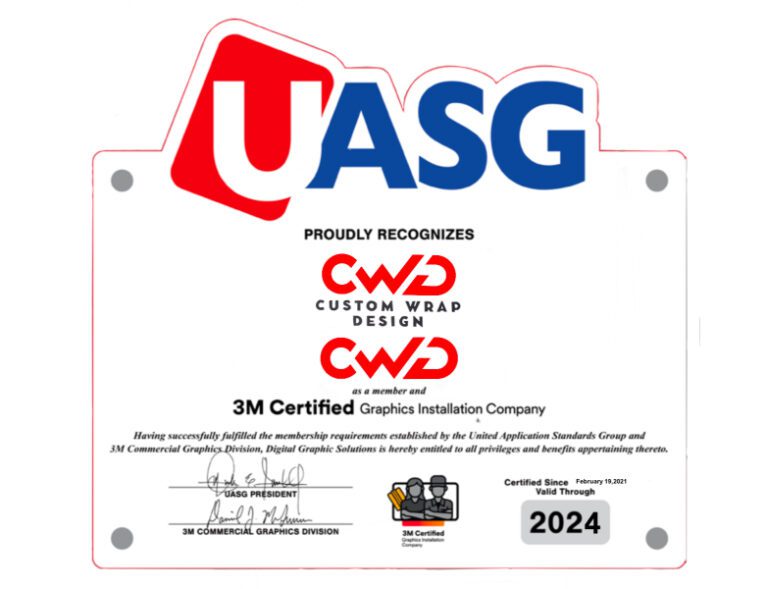
- 3M certified – Materials and methods that meet manufacturer standards
- Built for Florida – Rated for heat, salt air, and UV exposure
- Warranty-backed – Proper installation protects your coverage




Will PPF Hide The Rock Chips And Scratches Already There?
Some shallow marks may look less noticeable under clear PPF, but existing chips and deeper scratches can still show. Their depth, color and shape all affect the result.

Putting PPF Over Rock Chips
A small chip with firmly bonded paint around it may be considered for coverage after inspection. Exposed material, loose paint or signs of corrosion need a different decision.
Appearance is just as important. A dark chip on a light-colored hood may remain obvious through transparent film. Even a small mark can be distracting if it contrasts with the surrounding paint.
If you are comfortable with a few existing chips, you may be able to leave suitable areas as they are and protect the surrounding finish. If you want those chips to look better, discuss repair before installation. Film should not be the part of the plan you rely on to hide them.

Putting PPF Over Scratches
Shallow scratches and wash swirls may become less noticeable beneath film. XPEL identifies this as a possible improvement to the appearance of existing surface-level scratches; the paint itself has not been repaired.
Deeper scratches need closer attention. A mark catching your fingernail does not, by itself, tell you which paint layer is affected or whether polishing can safely improve it.
Ask which marks are likely to improve and which are expected to remain. That is more useful than a general promise that film will hide scratches.
Self-healing PPF has a separate role: it can recover from certain minor scratches in its own surface. It does not heal damaged paint underneath.
Can PPF Go Over Touch-Up Paint Or A Repainted Panel?
Sometimes, provided the repaired surface is suitable for the chosen film. How the repair looks is only part of the decision. Curing, adhesion and product compatibility matter too.
Touch-Up Paint
For PPF over touch-up paint, a smooth-looking repair is a better starting point than a raised dab, but neither should be approved on appearance alone.
The repair needs to have cured and bonded properly. Any raised paint can remain visible as a bump, while a color mismatch may show even if the surface feels level. Touch-up areas also need consideration when discussing future removal because their adhesion may differ from the surrounding factory paint.
If you plan to touch up chips, discuss the film appointment before applying anything. That helps avoid doing fresh repair work that delays installation or leaves a finish you are unhappy covering.
Repainted Panels
A repainted bumper or hood does not automatically rule out PPF. Share when it was painted, who completed the work and any information you have about the materials used.
The timing for applying film after repainting depends on the paint system and applicable instructions. A generic waiting period cannot establish that every repaired panel is ready.
It is also worth separating suitability from warranty coverage. A panel may be accepted for installation without carrying the same terms as an original factory finish.
Does Every Used Car Need Paint Correction Before PPF?
No. Being a used car is not, by itself, a reason to add extensive polishing to the job.
What you need depends on the condition of the finish and what you want to improve. Three types of work often come up, and they solve different problems:
Preparation removes contamination and residues that could interfere with installation. The appropriate preparation before PPF depends on the surface and products already applied.
Paint correction uses controlled polishing to improve suitable defects, including some swirls and shallow scratches.
Paint repair addresses damage polishing cannot replace, such as missing paint or a failing finish.
If wash marks bother you, paint correction may improve the appearance before film goes on. If you are happy with the current finish, extensive correction may add little to the result you want.
The remaining paint also sets limits. A heavily polished or damaged finish should not be treated like a healthy clear coat with a few light swirls.

Choose Coverage Once You Know Which Panels Are Ready
After the condition review, choosing coverage becomes more straightforward. You know which areas can receive film, which need work and what the finished result is likely to look like.
For a car that spends a lot of time on Miami highways, the front bumper, hood and mirrors may be priorities. Another vehicle may need attention around lower panels or areas that receive frequent contact. Let your driving and everyday use guide the choice.
You can compare selected-panel and full-vehicle coverage without assuming the whole car needs film. A bumper requiring repair can be considered separately from suitable panels elsewhere on the vehicle.
When comparing PPF costs, look beyond the package name. The quote should make it clear what you are paying for:
- The panels included and their coverage boundaries.
- The film being specified.
- Any preparation or correction.
- Repairs needed before installation.
- Areas left out because of their condition.
This helps you compare the actual work rather than two prices that may cover different things.
What If The Car Already Has PPF?
You do not necessarily need to replace sound film just because you have bought the car from someone else. Start by checking what is already there.
Lifting edges, discoloration, tears or areas that are difficult to inspect deserve attention. If you have installation records, share the film brand and approximate installation date too.
Where replacement is appropriate, both the old film and the paint beneath it affect PPF removal and replacement. Previously repaired or unstable paint needs particular care; even careful removal cannot guarantee that poorly bonded paint will stay intact.
If you have not bought the vehicle yet, include the film in the pre-purchase condition review. Existing PPF should not be treated as proof that the paint underneath is undamaged.


Is PPF Still Worth It If Your Car Already Has Wear?
It can be, especially if you are happy with the car’s appearance and want to preserve suitable paint for longer. A few existing marks do not remove the value of protecting the surrounding finish.
The decision changes if your main concern is how the damage looks. If you want a chipped bumper to look freshly painted, repair may need to come before protection. If you simply want to reduce further wear on a daily driver, selected coverage may better fit your goal.
How long you plan to keep the car and where you drive also influence whether PPF is worth the investment. You do not have to choose full coverage to make a useful improvement, and you should not need a promised resale return to justify the work.
What Should You Check In The Warranty?
Look at how the terms treat the film, the installation and the existing paint. These are separate issues, particularly where a vehicle has previous repairs.
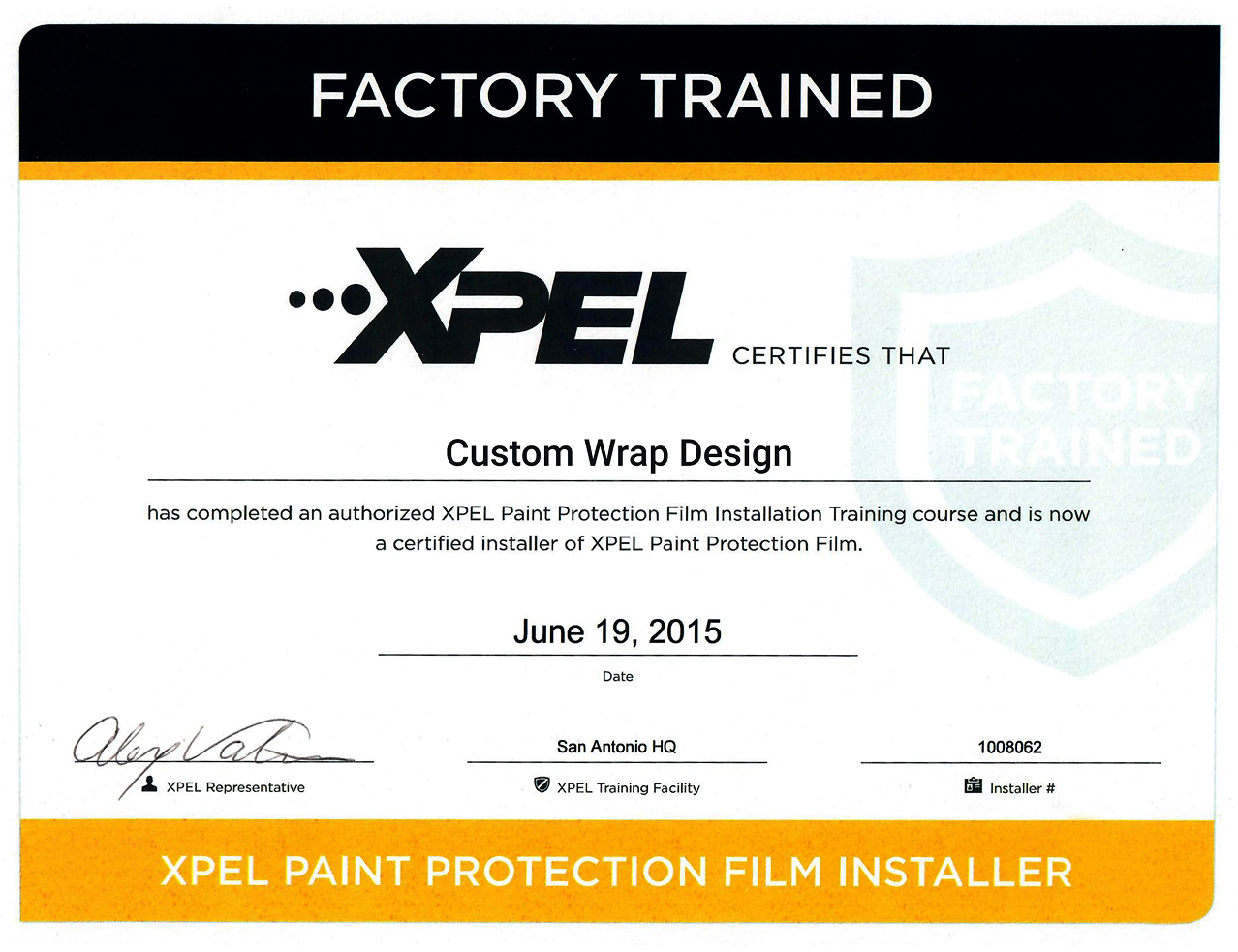
For CWD’s XPEL PPF installations, warranty coverage is split between a one-year CWD installation warranty and a ten-year XPEL manufacturer warranty on the film. Each applies under its own written terms; existing paint damage, suitability and the cause of a later issue still need to be assessed separately.
A film warranty does not automatically cover problems with repaired paint beneath it. Review the terms for the installed XPEL film and document any repaint or touch-up work before installation; acceptance of a panel for fitting is not a promise of coverage for its underlying finish.
Review the applicable product and installation terms before proceeding. Existing chips, touch-up work and repainted panels should be documented, along with the marks expected to remain visible.
OUR REVIEWS & PROJECTS
What To Send For A Used-Car PPF Assessment
You do not need to diagnose every mark before getting in touch. Clear photos, the history you know and a short explanation of what you want to achieve are useful starting points.
Include:
- Your vehicle’s year, make and model.
- The panels you want protected.
- Wide, unfiltered photos of those panels in daylight.
- Close-ups of chips, scratches, peeling areas or raised touch-up paint.
- Any known repaint or repair history, including dates.
- Details of existing PPF, ceramic coatings or other surface treatments.
- Whether you want to preserve the current appearance or improve particular defects first.
Take close-ups from an angle as well as straight on. This can help show raised repairs and texture, although photos cannot establish paint adhesion or reveal every previous repair.
Send your panel photos and paint history with the areas you would like covered. From there, the assessment can focus on what is ready for paint protection film, what needs preparation and whether any repairs should come first.
COME
VISIT US
1962 NE 151st Street, North Miami, FL 33162